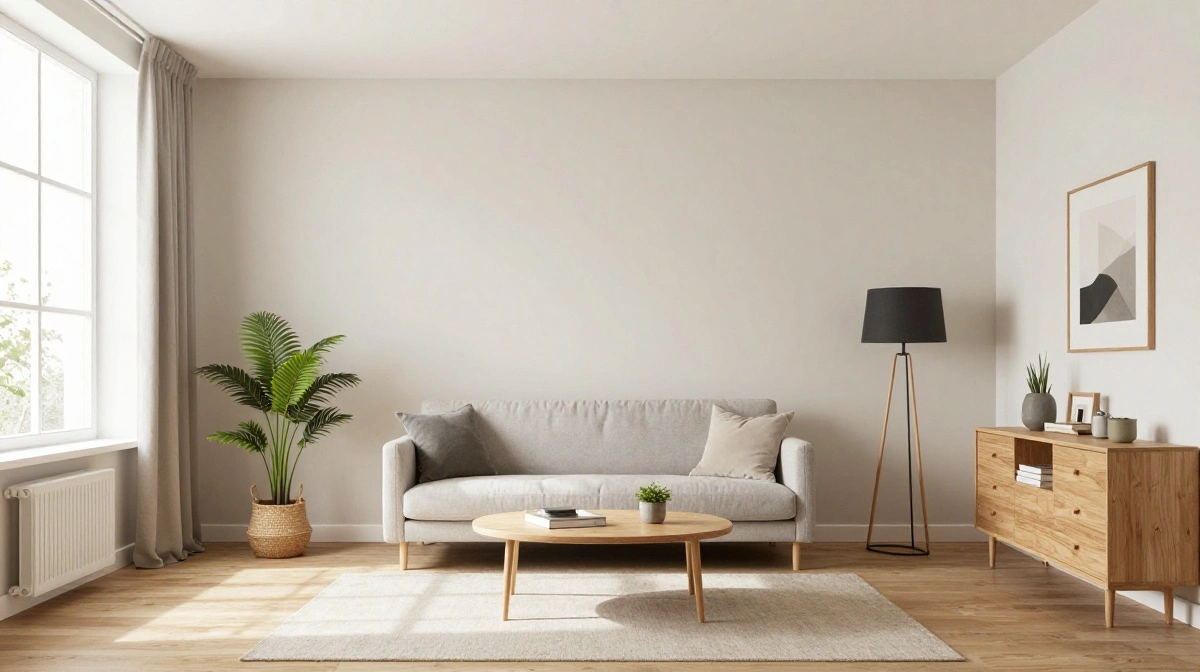
18 Studio Apartment Colors That Make Small Spaces Feel Bigger
Introduction
Color does more than decorate a room. It shapes how big, warm, or calm a space feels the second someone walks through the door. Get your studio apartment colors right, and your tiny apartment starts working with you instead of against you.
Studio Apartment Colors That Quietly Rewrite the Rules of Small Spaces
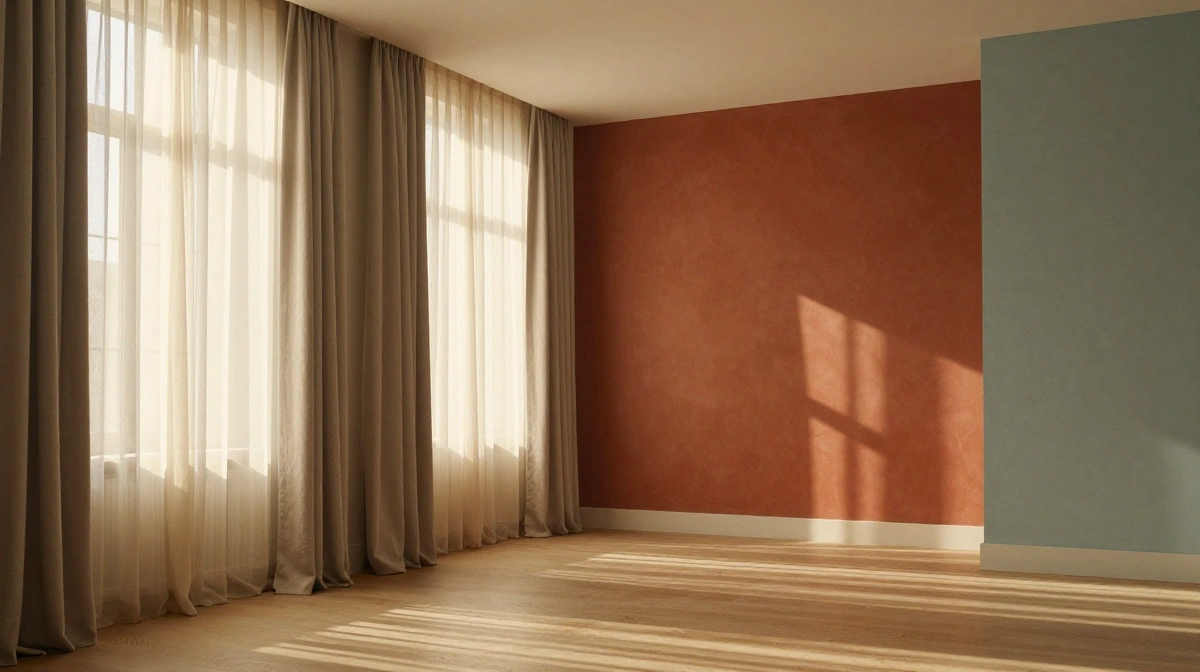
Forget everything you thought you knew about small space design. The right studio apartment color palette doesn’t just decorate walls, it reshapes how the entire room behaves. Light bounces differently, corners feel deeper, and ceilings seem to lift on their own.
This isn’t magic, it’s simple color psychology for small spaces at work. Once you understand how tones interact with light, you stop guessing and start designing with real intention behind every choice you make.
The Shade Interior Designers Paint First in Every Tiny Room
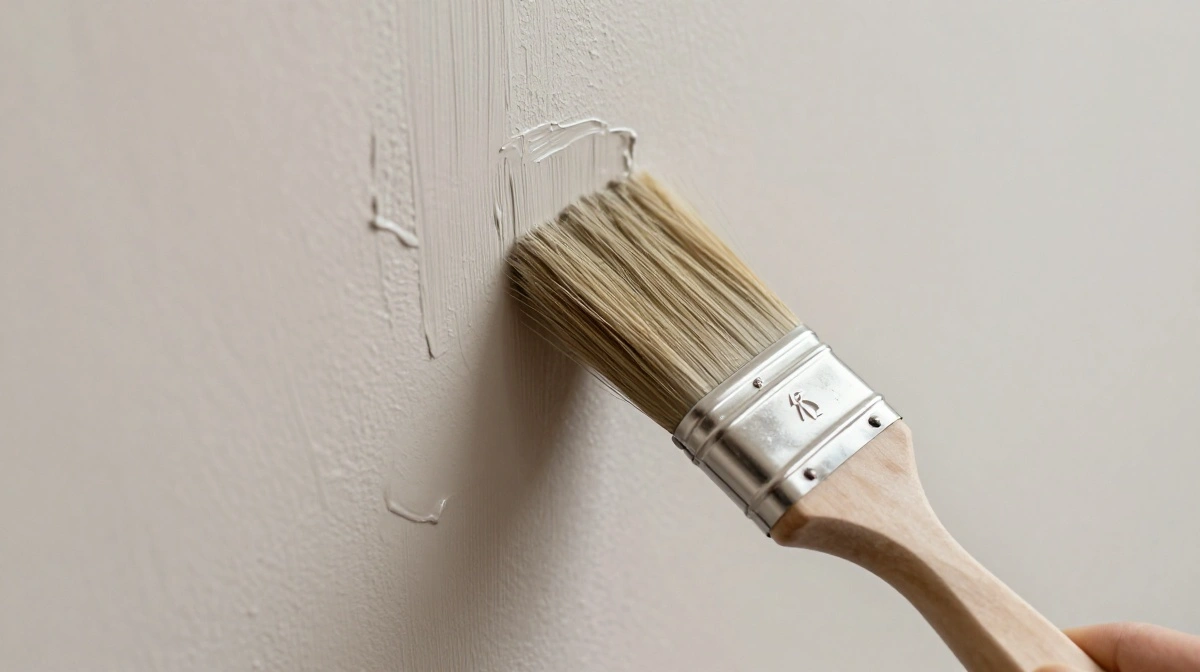
Professionals almost always start with a base neutral before touching anything bold. This foundational layer sets the tone for studio apartment wall colors throughout the entire unit. It’s the quiet workhorse nobody notices, yet everything else depends on it.
Think of it like a blank canvas that still has personality. Soft off-whites, warm greiges, and gentle taupes dominate this category because they flatter almost any furniture color without fighting for attention.
Warm Tones That Make a Studio Feel Like a Hidden Retreat
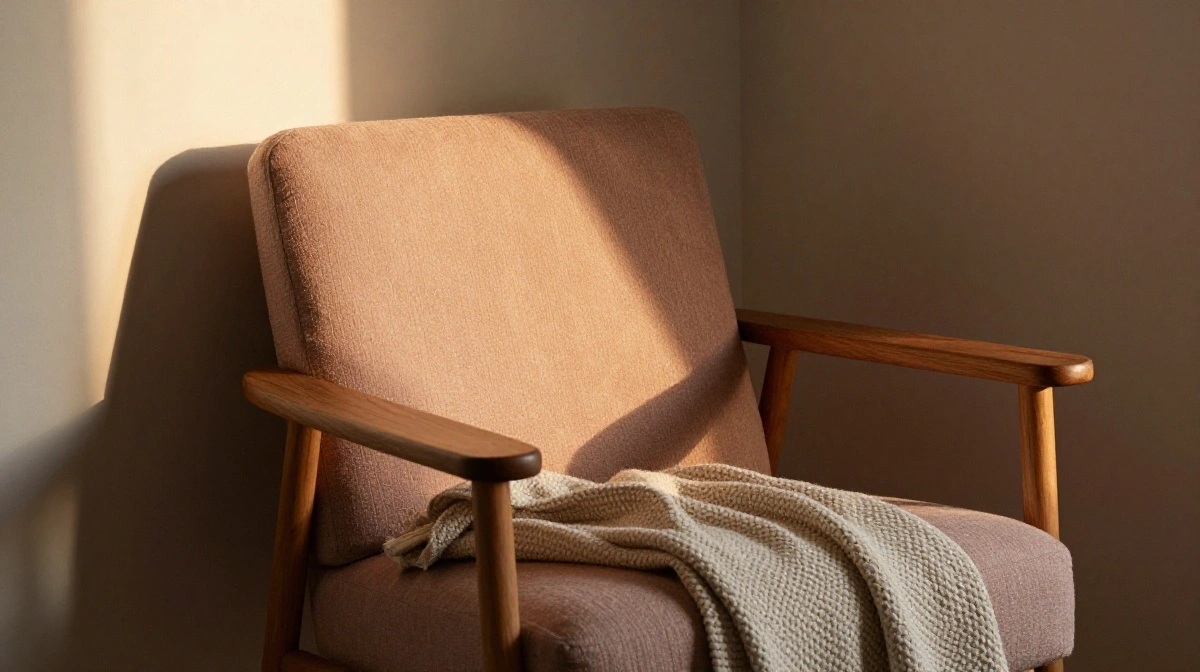
There’s something undeniably cozy about walking into a warm-toned studio after a long day. Terracotta, honey beige, and soft blush create an inviting hug-like atmosphere. These shades work beautifully as part of any thoughtful studio apartment decor colors strategy.
Warmth doesn’t mean dark, though. You can keep these tones light enough to preserve brightness while still adding emotional depth. It’s a balancing act, but one that pays off in comfort every single evening.
Cool Palettes That Stretch Walls Farther Than They Actually Go
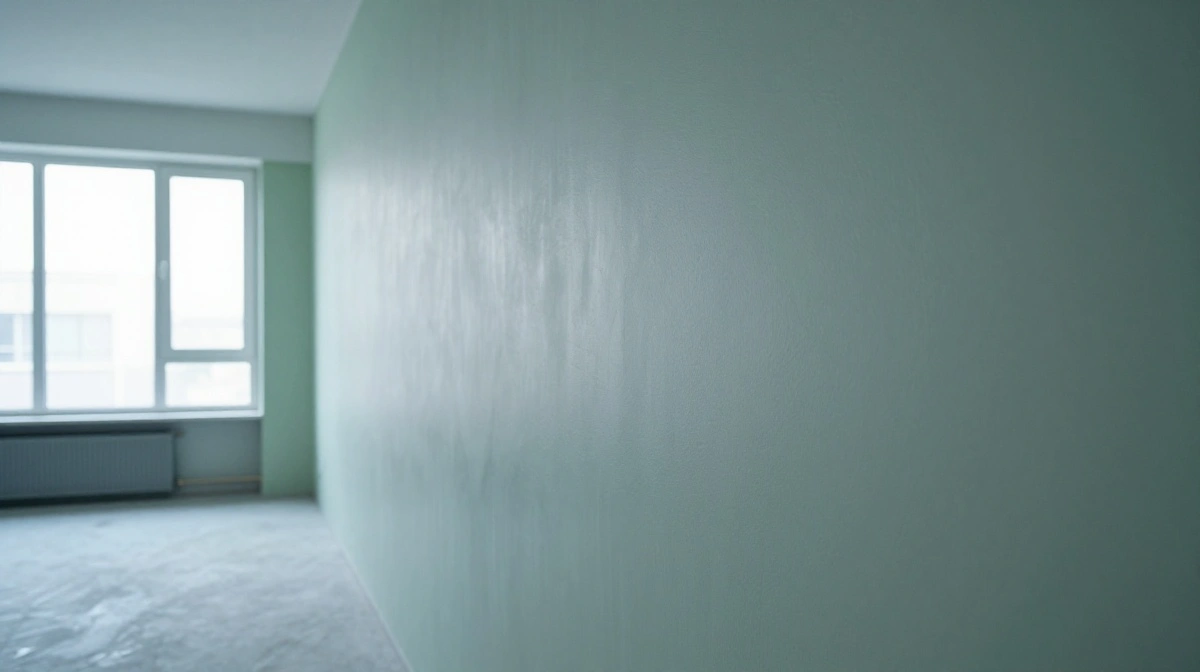
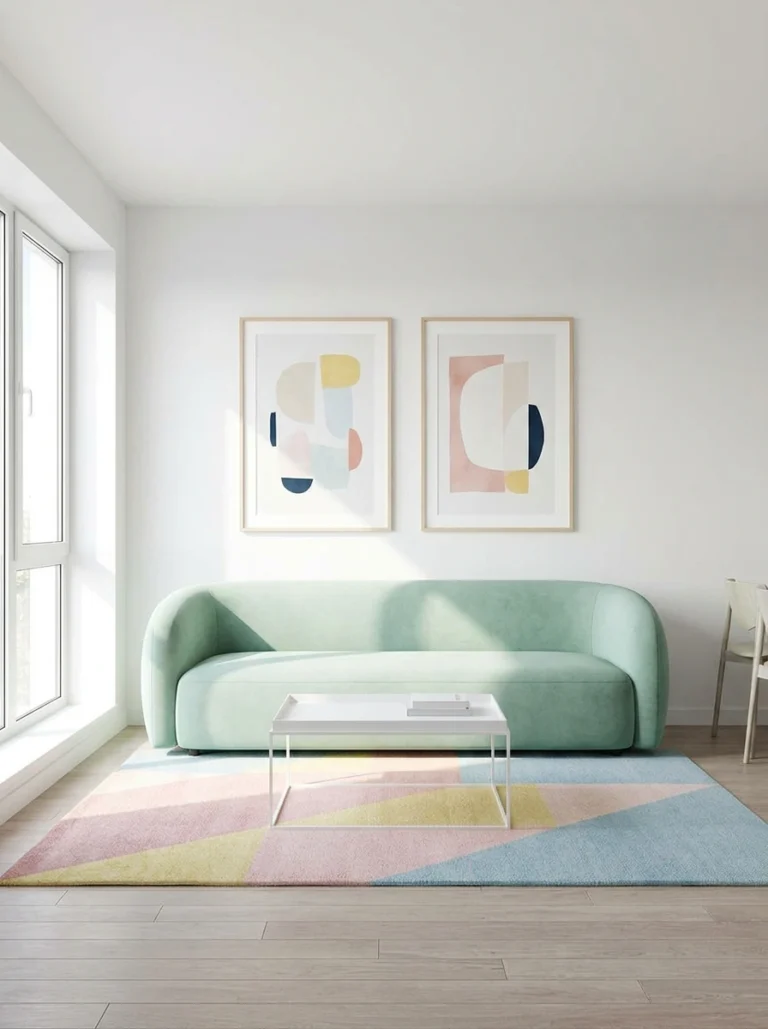
Cool colors have a sneaky superpower: they recede visually, making walls feel farther away than they truly are. Soft blues, sage greens, and icy grays are staples of any smart paint colors for small apartments approach.
This is where warm vs cool paint tones really matters for planning. Cool tones suit spaces with strong natural light beautifully, while dimmer rooms may need a touch of warmth mixed in to avoid feeling cold or sterile.
One Accent Wall Can Change How the Entire Apartment Breathes
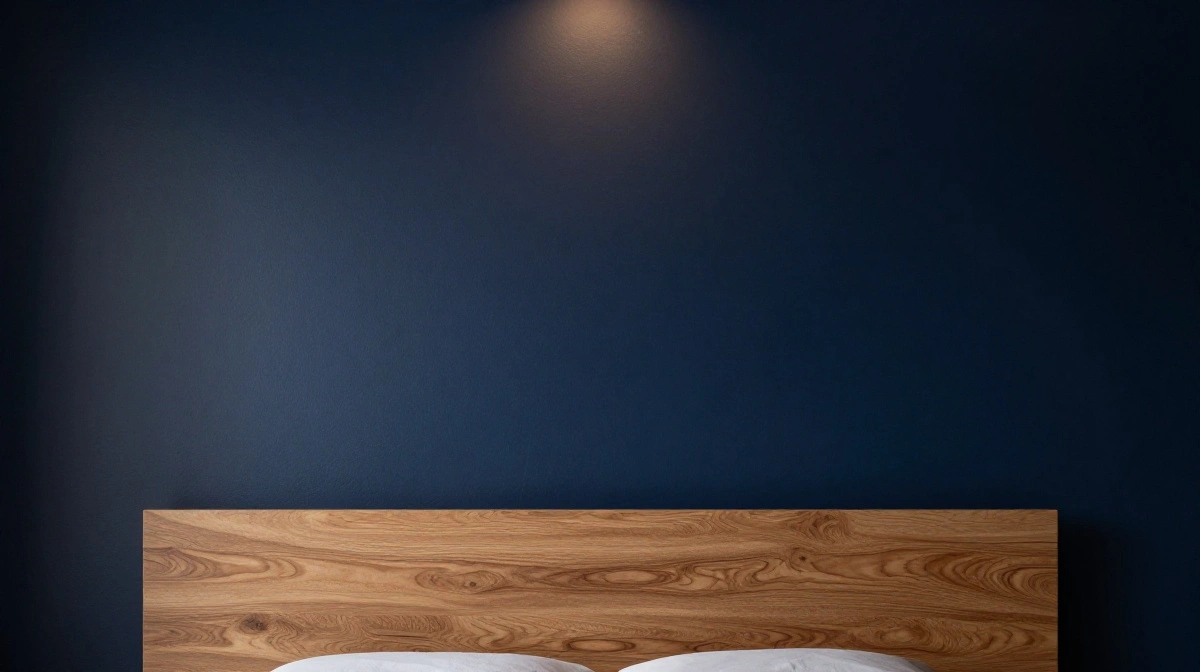
A single bold wall can transform a flat, boring room into something with personality overnight. This is one of the most effective accent wall ideas studio apartment dwellers can try without committing to a full repaint.
Choose a wall that naturally draws the eye, like the one behind your bed or sofa. It becomes a quiet focal point, giving the whole space a sense of direction and purpose it didn’t have before.
Ceiling Color Choices Most Renters Never Think to Question
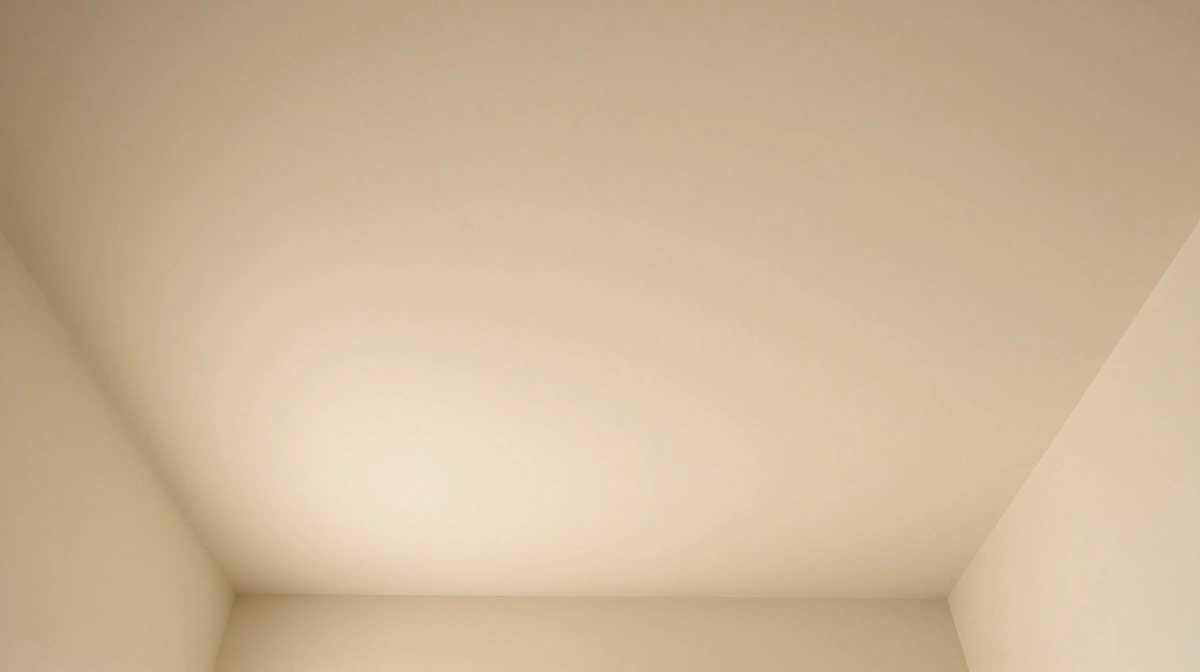
Most people paint their ceiling white and never think twice. But ceiling color plays a bigger role than most realize in overall studio apartment interior colors planning. A ceiling that matches or lightens the wall color can make the room feel taller instantly.
On the flip side, a darker ceiling can create a cozy, intimate feeling in larger studios. It’s a bold move, but one worth considering if your space already feels open and airy.
Dark Shades Done Right Can Still Feel Wide Open and Airy
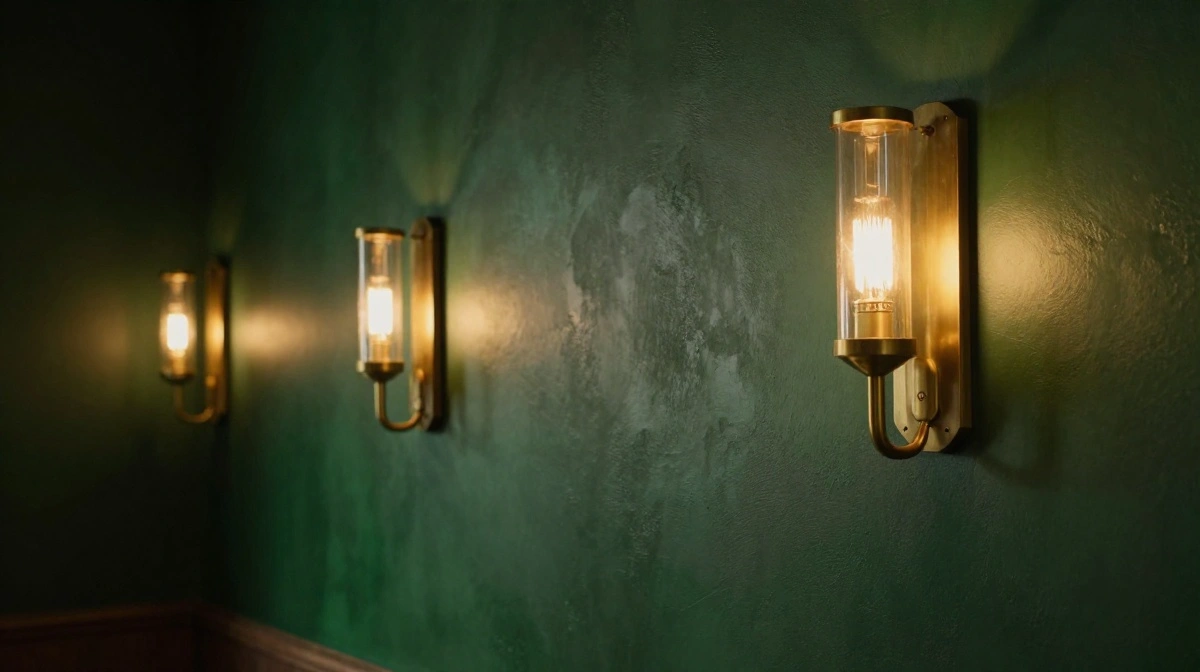
Dark colors get an unfair reputation in small spaces. Used correctly, though, they can add drama without shrinking the room. Deep navy, charcoal, or forest green on one wall creates depth rather than closing things in.
The trick lies in balance. Pair dark shades with plenty of light, reflective surfaces, and airy textiles to keep the room from feeling boxed in. Done well, dark tones can feel downright luxurious.
Monochromatic Schemes That Fool the Brain Into Seeing More Space
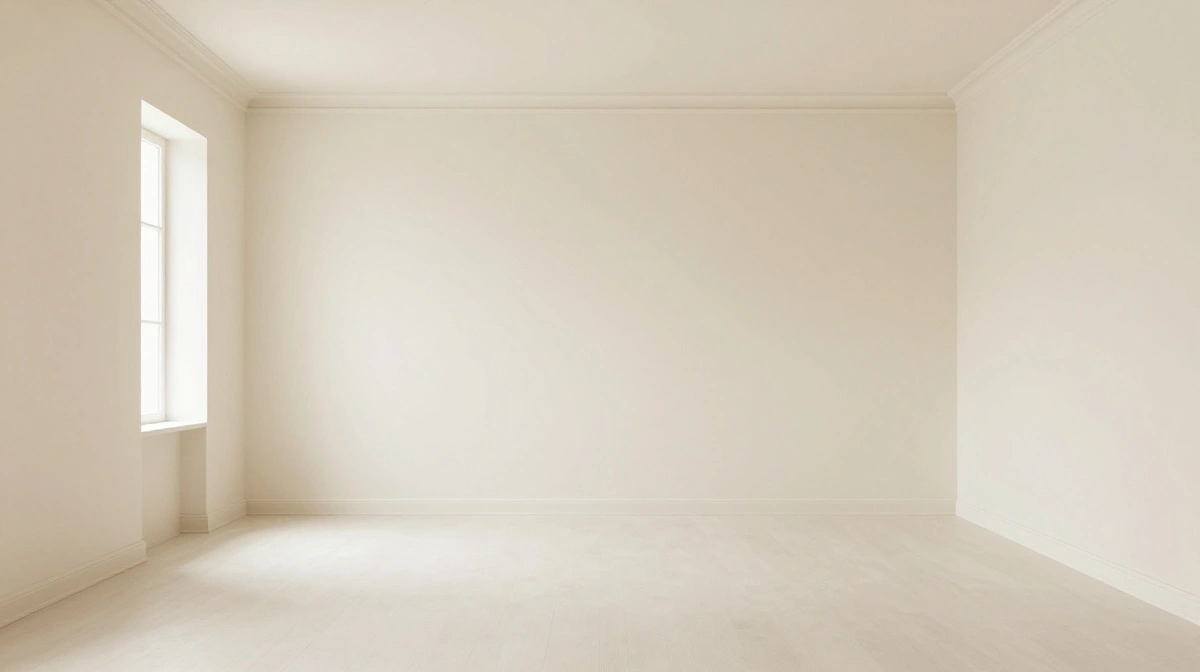
A monochromatic color scheme apartment works because it removes visual interruptions. When walls, furniture, and trim all sit within the same color family, your eye glides smoothly across the room instead of stopping at every color change.
This seamless flow tricks the brain into perceiving more square footage than actually exists. It’s one of the simplest, most elegant tricks in modern studio apartment interior design, and it rarely goes out of style.
Color Blocking Tricks That Quietly Divide a Studio Without Walls
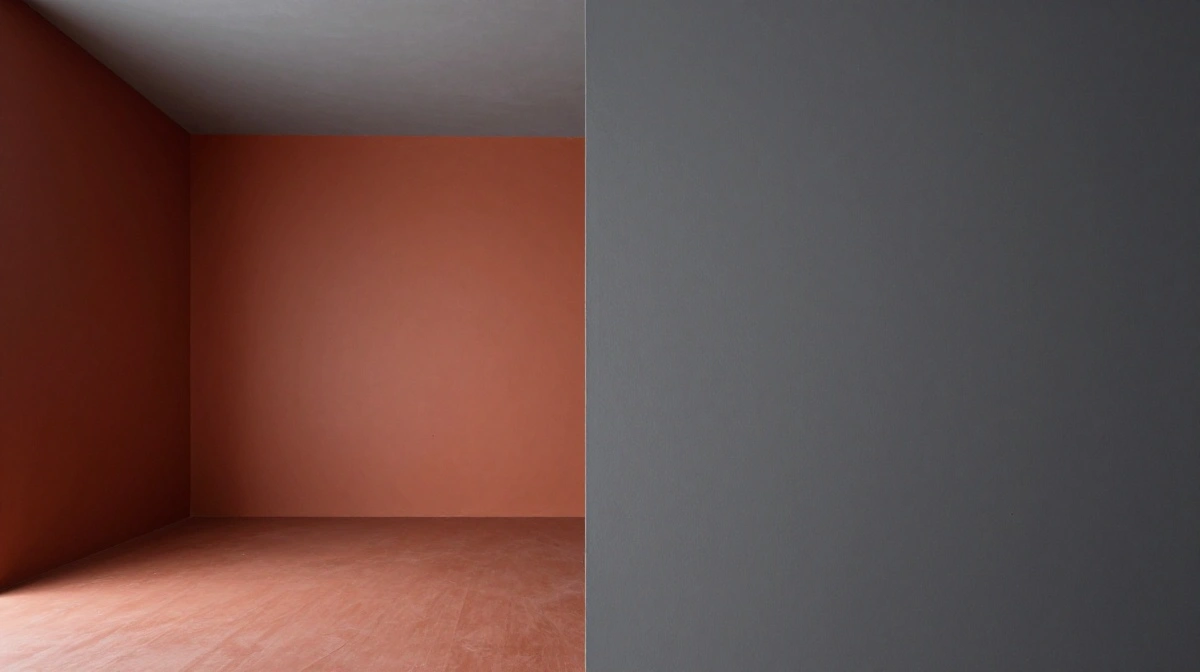
Color blocking small apartment design lets you create zones without a single physical wall. Paint one section a slightly different shade, and suddenly your brain reads it as a separate “room” within the open floor plan.
This trick pairs beautifully with studio apartment zoning with color strategies already common in modern layouts. A sleeping nook painted differently from the living area instantly feels more private, even though nothing physically separates the two spaces.
Natural Light Changes Everything a Color Swatch Promises You
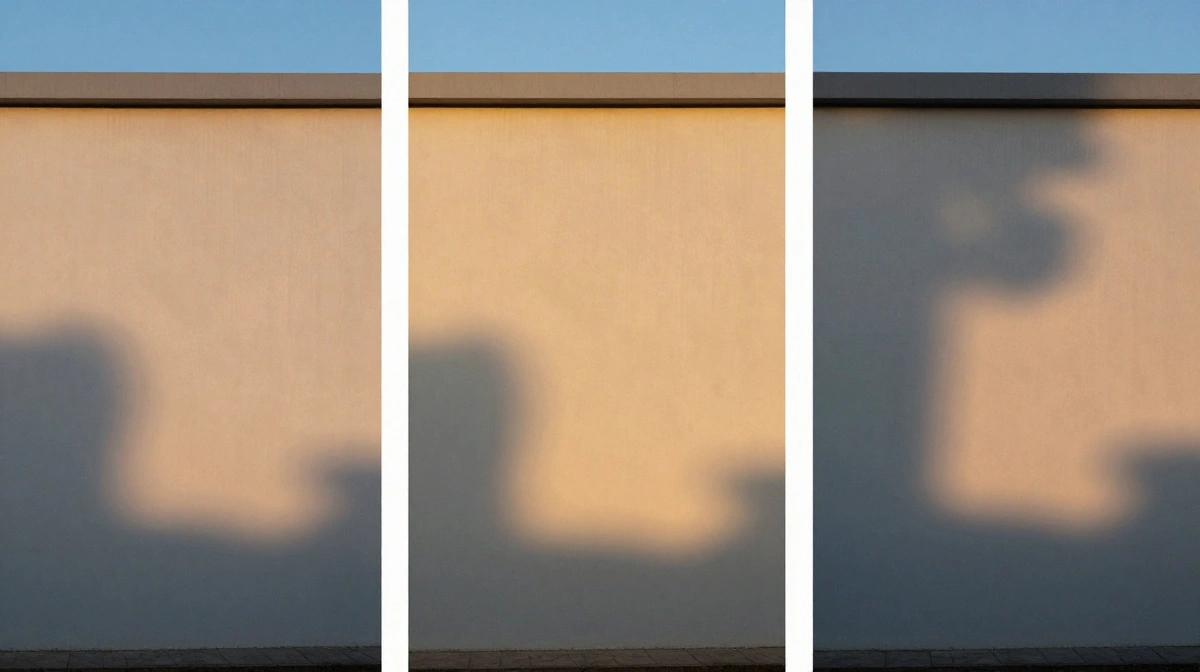
That paint chip looked perfect in the store, right? Then you got home, and it looked completely different. Natural light shifts throughout the day, changing how every color reads on your walls hour by hour.
South-facing rooms get warm, golden light most of the day, while north-facing rooms stay cooler and more neutral. Always test your studio apartment color scheme on the actual wall before committing to a full gallon.
Low Light Corners Need a Completely Different Color Strategy
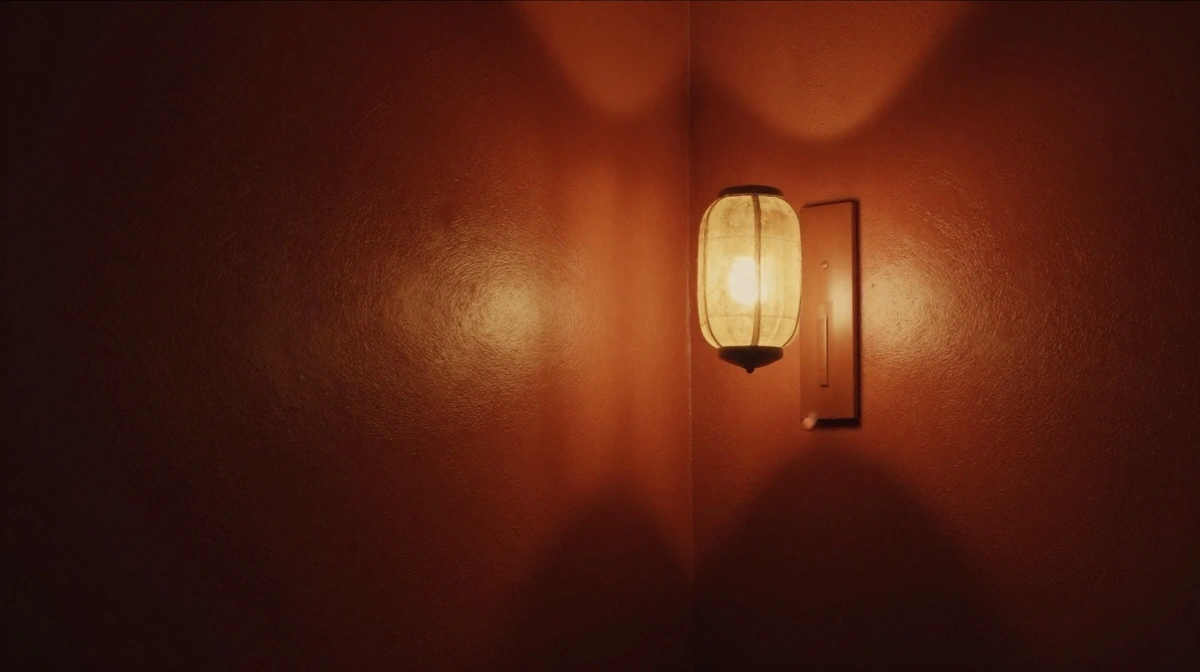
Dim corners behave nothing like sunlit ones, so treating them the same is a common mistake. Colors that look bright in a lit showroom can turn murky and flat in a shadowy corner of your apartment.
For these darker zones, lean toward warmer, slightly richer tones rather than pale ones that can look washed out. A touch of warmth here keeps low-light areas feeling intentional instead of forgotten.
Furniture Color Choices That Either Support or Sabotage Your Palette
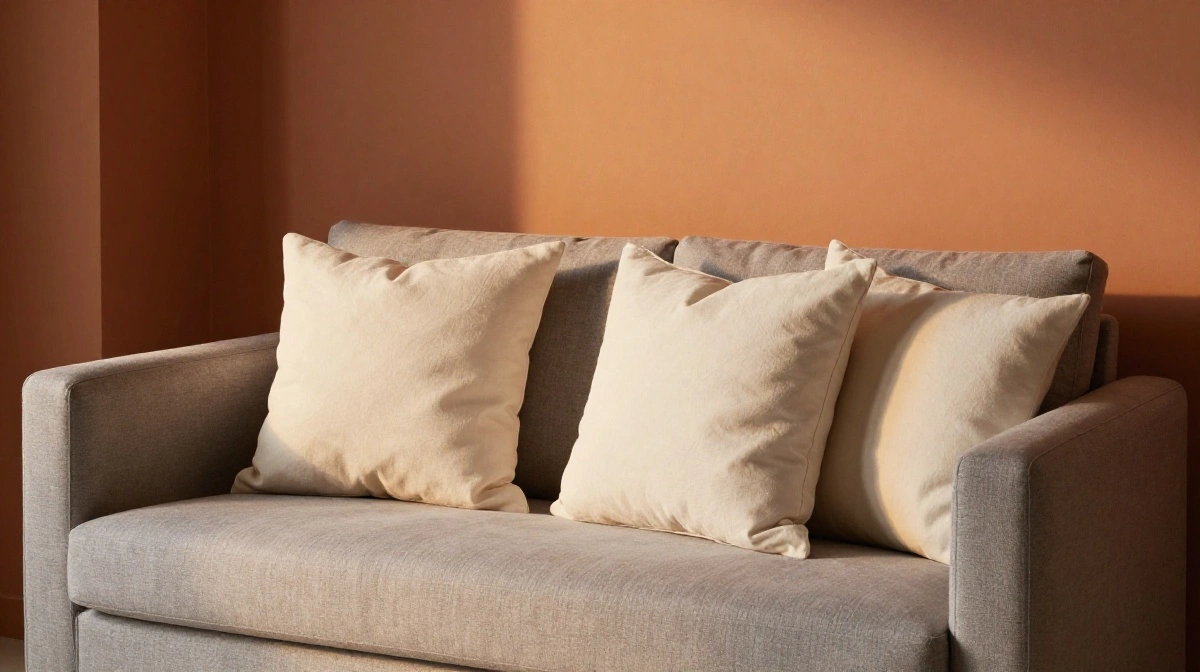
Your walls aren’t the only thing carrying color. Studio apartment furniture colors either reinforce your palette or completely clash with it. A gray sofa against warm terracotta walls, for example, can look accidental rather than styled.
Stick to a cohesive color story across both walls and furniture. This doesn’t mean everything must match exactly, but tones should feel like they belong in the same visual family throughout the apartment.
Textiles and Rugs Carry More Color Weight Than People Realize
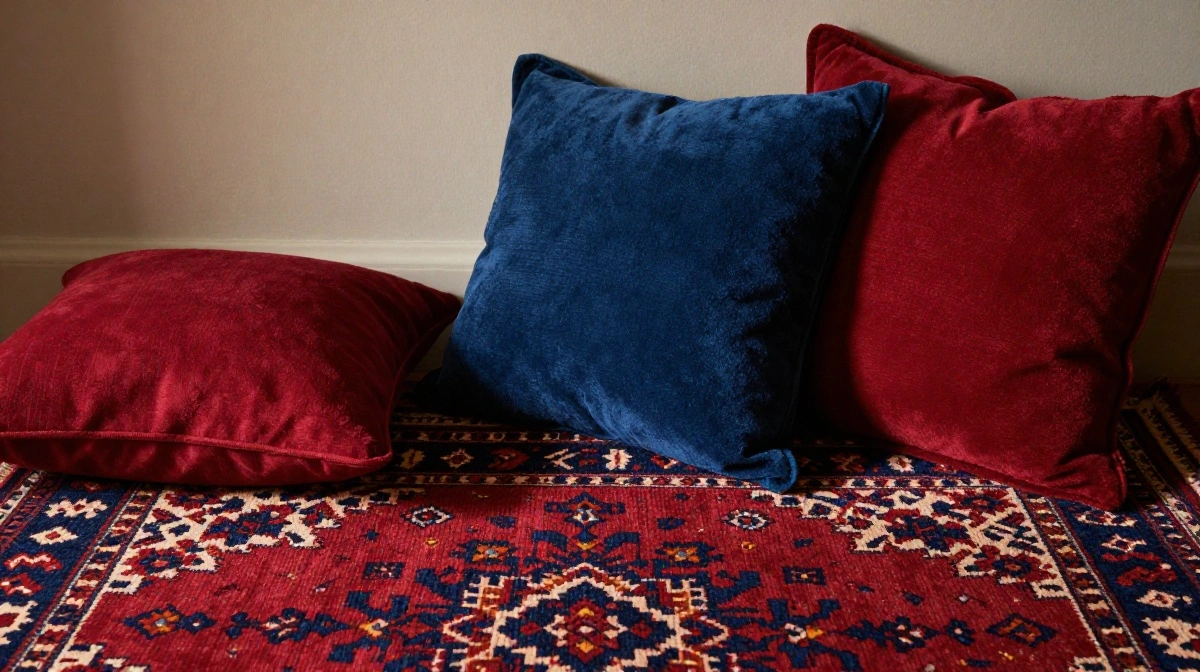
Pillows, curtains, and rugs aren’t just soft touches, they’re powerful color tools. Studio apartment textiles and color choices can shift the entire mood of a room without a drop of paint being used.
A neutral wall paired with a richly colored rug instantly feels curated and intentional. Swap the textiles seasonally, and you get a fresh look without ever touching a paintbrush again.
Kitchen Corner Colors That Quietly Blend Into the Living Zone
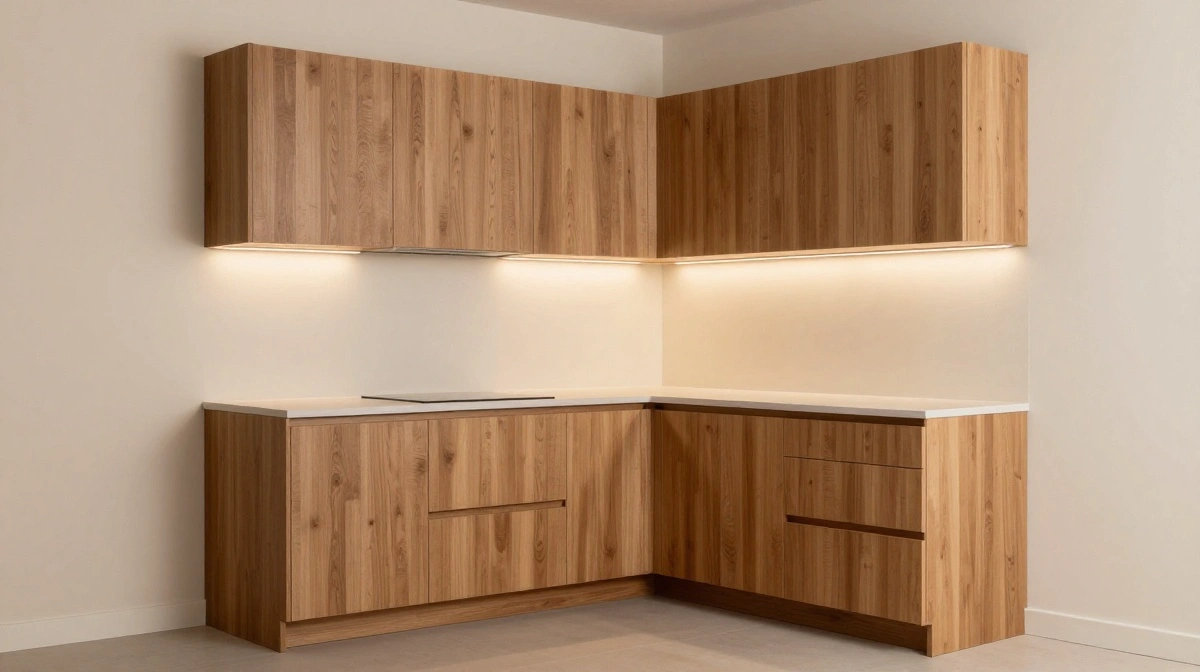
An open kitchen corner needs colors that flow naturally into the rest of the studio, not colors that scream “separate room.” Matching cabinet tones to nearby wall colors keeps the whole space feeling unified.
This kind of thoughtful studio apartment furniture arrangement planning extends into color choices too. When your kitchen colors echo the living area’s palette, the entire studio feels like one cohesive, well-designed space.
Bathroom Color Decisions That Shape How the Whole Studio Feels
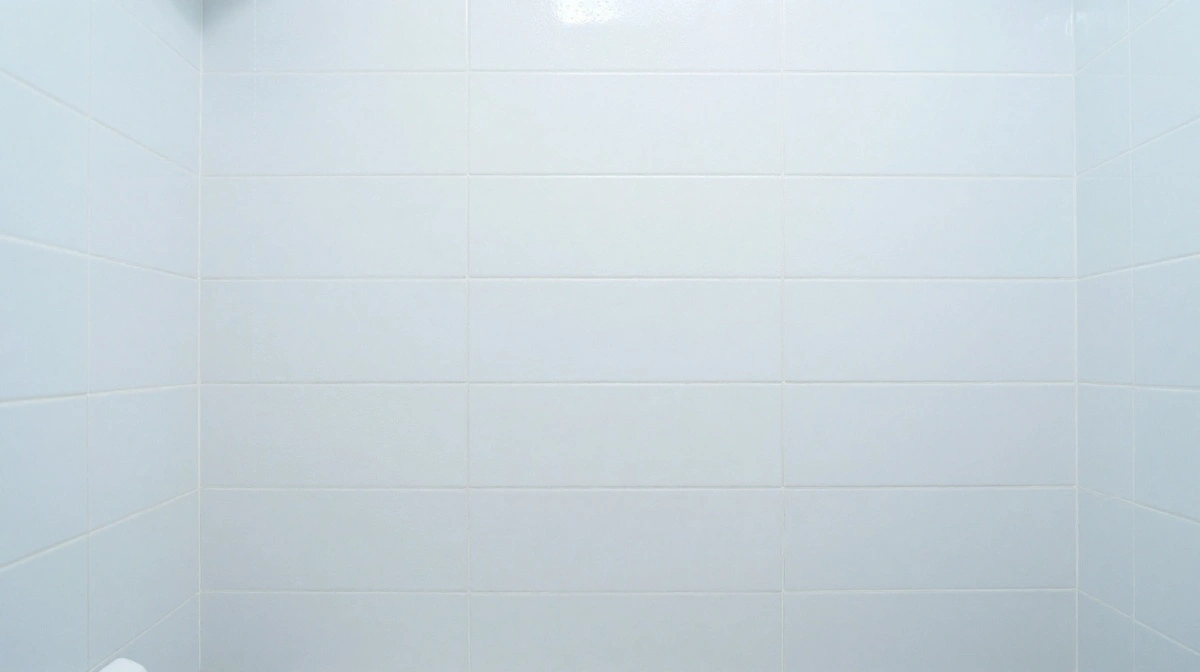
Even a small bathroom’s color choices ripple outward into how the whole studio feels. Bright, clean tones here keep things feeling fresh and spacious, avoiding the closed-in feeling dark bathroom tiles sometimes create.
Since bathrooms often sit near the main living area in studios, their color scheme shouldn’t feel jarring against the rest of the apartment. Consistency, even in small doses, matters more than people expect.
Budget Paint Tricks That Look Expensive Without Costing a Fortune

You don’t need a designer’s budget to get a designer’s look. A gallon of quality paint costs far less than new furniture, yet delivers one of the biggest visual transformations possible in studio apartment renovation projects.
Below is a simple comparison worth remembering:
| Upgrade Type | Average Cost | Visual Impact |
|---|---|---|
| Full repaint | $150–$300 | High |
| New furniture piece | $400–$1,200 | Medium |
| Accent wall only | $40–$80 | Medium-High |
Paint remains the most cost-effective transformation tool for any renter or homeowner working within compact living design constraints.
Color Mistakes That Quietly Shrink a Studio Apartment Overnight
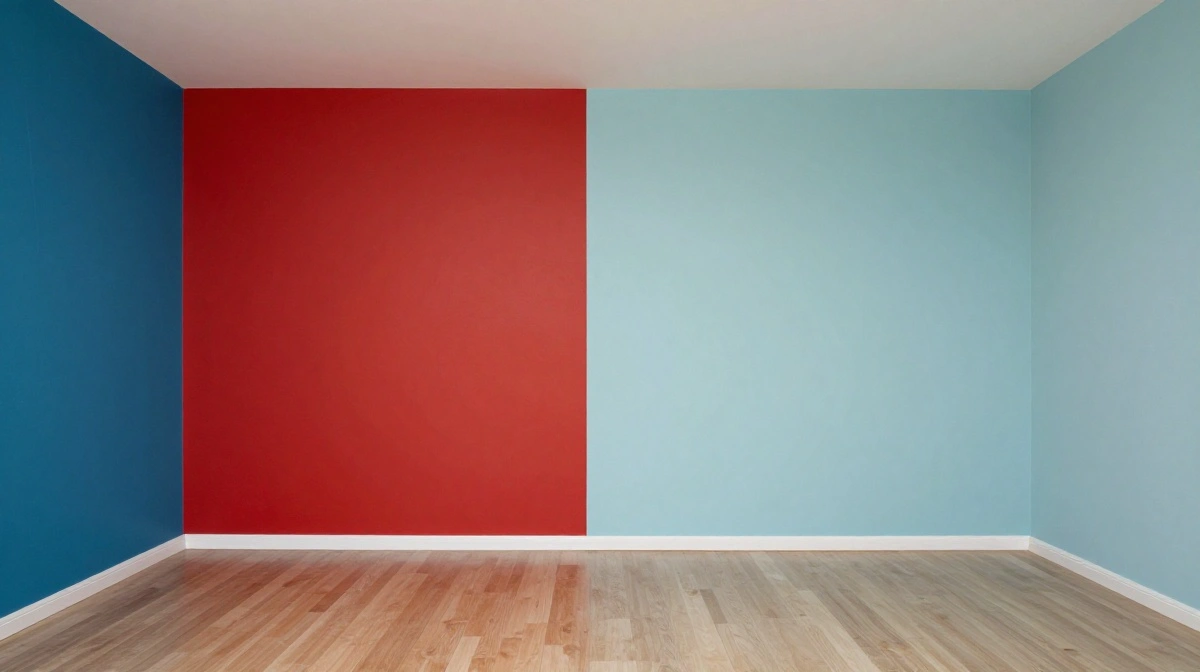
Too many competing colors can chop a small room into confusing visual segments. This is one of the fastest ways to make an open studio apartment for rent feel cramped and disorganized instead of spacious.
Another common misstep involves painting the ceiling darker than the walls, which visually lowers the room. Avoiding these traps keeps your space feeling intentional rather than accidental or chaotic.
Seasonal Color Shifts That Keep a Small Studio Feeling Fresh
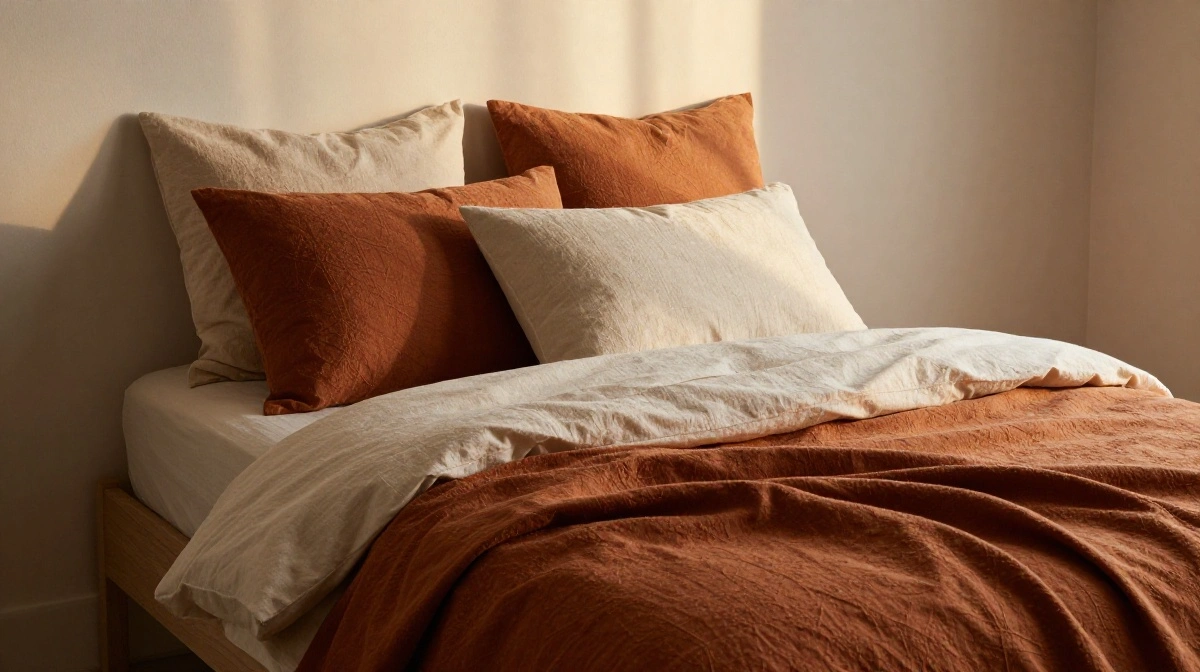
You don’t need to repaint every season to keep things feeling new. Swapping throw pillows, curtains, or a bedspread introduces seasonal color without any long-term commitment or mess.
This flexible approach fits perfectly within any minimalist studio design philosophy. A few seasonal textile swaps paired with good studio apartment lighting keep the space feeling alive throughout the entire year.
Frequently Asked Questions
What are the best colors for a studio apartment?
Soft neutrals like warm white, greige, and light sage tend to work best because they reflect light and make the space feel open, though the right shade always depends on your natural light and furniture tones.
Should I paint my studio apartment one color throughout?
A single cohesive color or tonal family often works best in a studio since it removes visual breaks that make the room feel chopped up, but you can still add depth through texture and accent pieces.
Can dark colors work in a small studio apartment?
Yes, dark colors can work beautifully if paired with good lighting, reflective textures, and enough contrast, though they generally work best on one wall rather than the entire room.
How does color help zone a studio apartment?
Different colors, rugs, or accent walls can visually separate a sleeping area from a living area without needing physical walls, giving the illusion of distinct rooms within one open space.
What color makes a studio apartment look bigger?
Light, cool-toned neutrals paired with a matching or lighter ceiling color create a seamless flow that tricks the eye into perceiving more square footage than actually exists.
Conclusion
Choosing the right studio apartment colors is one of the most powerful, low-cost ways to transform a small space into something that feels open, intentional, and personal. From wall shades to furniture tones, every color decision either expands or shrinks the room in the eyes of anyone who walks in. With the right palette, even the tiniest studio can feel like a curated, spacious retreat you’re proud to call home.
You can may also like this: 18 Best Studio Apartment Layout Ideas to Maximize Every Inch